work-safety
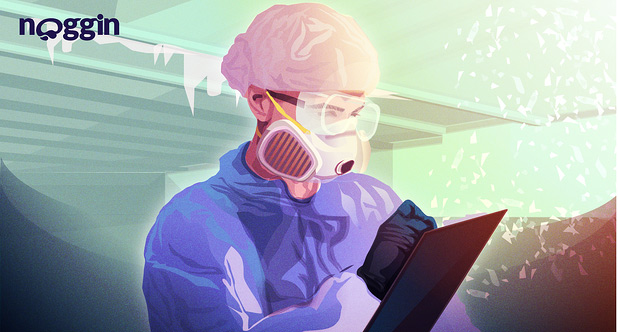
Major risk clouds were accumulating long before the COVID-19 pandemic. However, the research shows that firms only take an interest in risk after major crises. Well, it’s never too late to leverage risk management best practices to prepare for next time. And ISO 31000 might just be key to those preparations.
Read More
Topics:
Work Safety
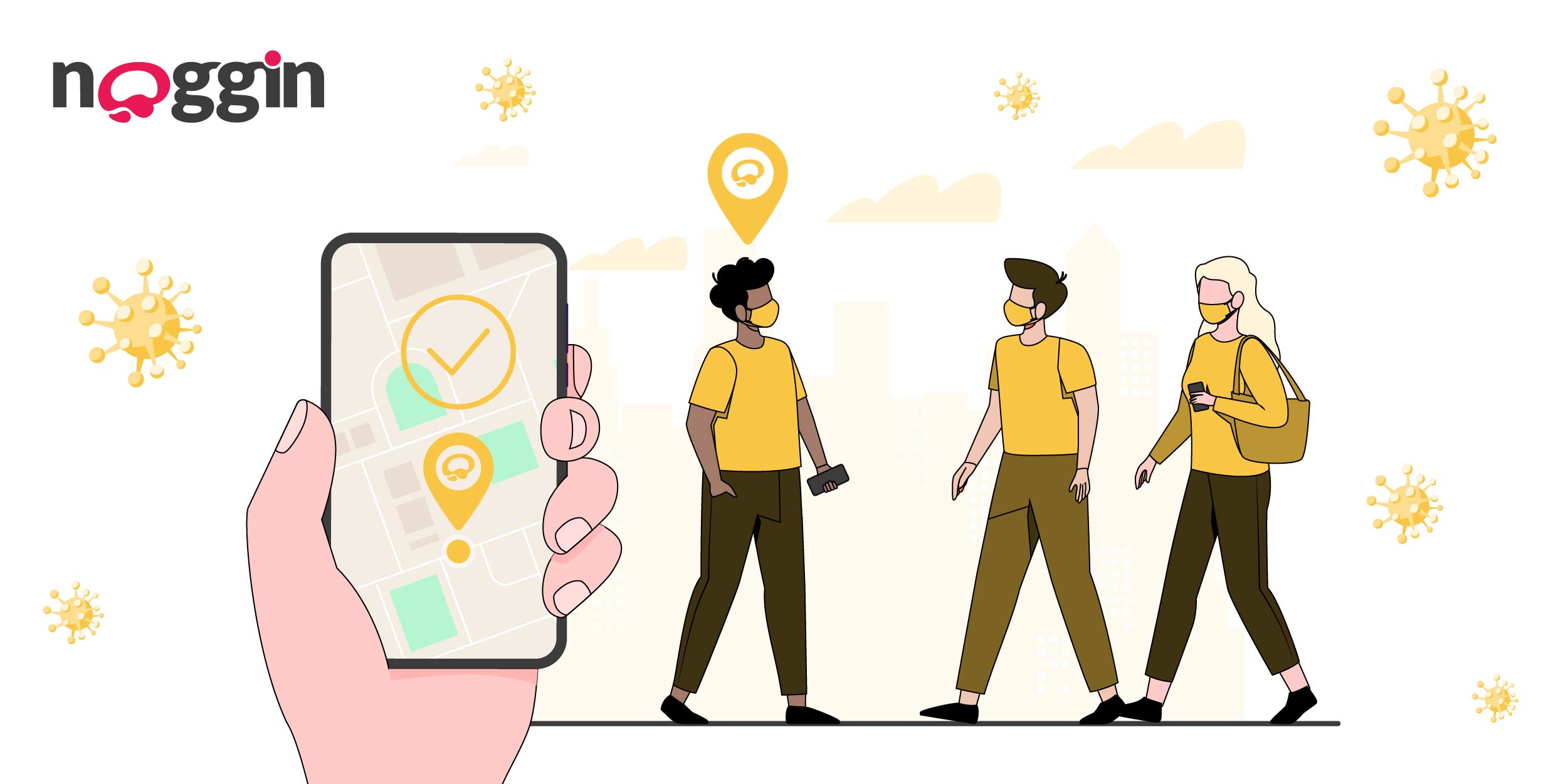
Since the outbreak of COVID-19, safety teams have been working overtime to mitigate risk, ensure a safe work environment, all in compliance with the employer duty of care obligation. But that work won’t end even when the pandemic is over.
Indeed, PCBUs (Persons Conducting a Business or Undertaking) have a legal obligation to ensure the health and safety of staff. That duty of care obligation never ends. So, how to maintain the obligation in the midst of a crisis, emergency, or other business continuity incident?
Read More
Topics:
Work Safety
It’s the new year, and you’ve made the commitment to build (or enhance) your safety culture. Only problem is your contractors and suppliers haven’t made the same commitment to prioritise their safety culture. Why does it matter and what can you do about it?
Read More
Topics:
Work Safety
With broad swaths of the economy once again open, entities involved in hazardous operations and other forms of non-routine work will need to re-implement stringent, work risk controls.
By law, those controls should go above and beyond safe work protocols for routine jobs. So how do PCBUs go about taking formalised steps to mitigate the work health and safety risks associated with dangerous jobs?
Read More
Topics:
Work Safety
It’s been a couple years since work health and safety management system standards got a global upgrade. In 2018, ISO (International Organization for Standardization) 45001 came out, replacing British certification, OHSAS 18001, as the best-practice standard.
Plenty of compliance conscious PCBUs didn’t make the move then. But the British standard is only valid until the end of March 2021, meaning now is the time to upgrade. What are the other safety advantages of ISO 45001?
Read More
Topics:
Work Safety
The imperatives of social distancing during the pandemic have created unprecedented changes to work. Foremost among them: the increased need for people to work alone or in remote arrangements.
For PCBUs (Persons Conducting a Business or Undertaking), more people working alone mean more lone workers in need of a new class of safety protections, documented internal policies to keep this high-risk occupational group out of harm’s way. How to go about mitigating the risk so you don’t incur the liability?
Read More
Topics:
Work Safety
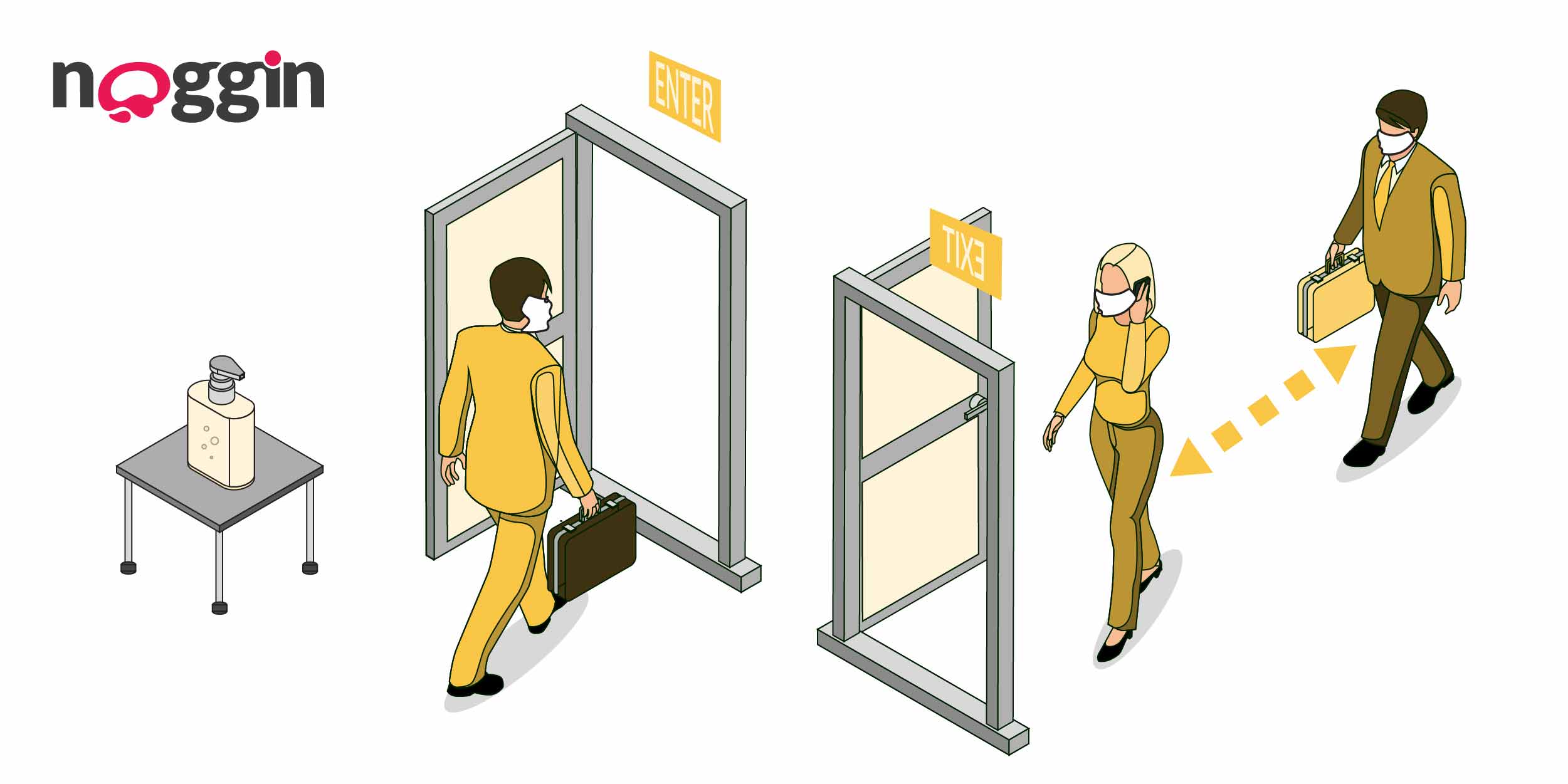
For many organizations whose physical operations were forced to close due to COVID-19-induced lockdowns, reopening day is coming soon. Indeed, employers are busy planning for a safe reopening as the day approaches.
While planning matters, it’s the quality of those plans that will determine whether a safe reopening is possible. And as it turns out, too many organizations follow one-size-fits-all strategies that can actually compromise the safety of returning employees, imperiling business recovery from the crisis. How, exactly?
Read More
Topics:
Work Safety
After months of disruption, organizations are eager to return to normal as part of the recovery lifecycle. For many, that means resuming operations in work facilities vacated due to local, state, and national lockdown orders.
Read More
Topics:
Crisis Management,
Work Safety
Frontline workers, especially healthcare professionals, have become the faces of the response to the COVID-19 pandemic. In areas hard hit by the rapid spread of the coronavirus, like Lombardy, New York City, and New Orleans, stories of the noble sacrifices of healthcare workers who have had to risk their personal safety to treat patients without an adequate stock of personal protective equipment (PPE) have proliferated – incomplete data sources point to at least 5,400 healthcare workers COVID-19 infections in the U.S. alone, with dozens of deaths.
Read More
Topics:
Crisis Management,
Work Safety
Why’s a place of mass gathering so difficult to pin down, even for owners and operators? The answer is more complex than you’d think. For one, place of mass gathering is a risk designation, extrinsic to the core function of the venue. Qualifying a venue as a place of mass gathering is its (high) potential to inspire terrorist attacks, which it becomes by concentrating large numbers of people.
Read More
Topics:
Security Management,
Work Safety
With a surge of coronavirus cases around the world, new reports of workplace closures due to fear of exposure are emerging outside of coronavirus-epicenter, China, and outbreak hotspots like Hong Kong, South Korea, and Italy.
Read More
Topics:
Crisis Management,
Work Safety
The risk of the novel coronavirus to global supply chains is significant, experts say. And it’s easy to see why. For one, there is no historical precedent for the potential impact of the coronavirus on increasingly complex, global supply chains.
Read More
Topics:
Risk Management,
Emergency Management,
Crisis Management,
Work Safety
Protecting places of mass gathering means controlling risk. Safety and security risk, however, can come from virtually any aspect of the operation, a daunting prospect for venue owners and operators. And that risk tends to increase – not shrink – as the size and complexity of the operation grows.
Read More
Topics:
Emergency Management,
Work Safety
Hiring employees to perform remote and isolated work often helps businesses improve their productivity. But lone work isn’t without operational risk. For one, managing the safety risk to lone worker populations is part and parcel of a PCBU’s (Person Conducting a Business or Undertaking) duty of care obligation.
Read More
Topics:
Work Safety
As crises grow in kind and intensity, organizations need to take an intelligence-gathering and constant-monitoring approach to building their crisis management competency. This largely cyclical mode of lifecycle crisis management tends to be more strategy-oriented than the tactics-first approach implicit in the popular pre-crisis, crisis, and post-crisis models. For instance, the British crisis management standard, BS 11200, adopts a fairly cyclical framework that includes the following stages:
Read More
Topics:
Crisis Management,
Security Management,
Work Safety
When it came to major safety and security threats, 2019 was one for the record books. Unfortunately, 2020 is shaping up to be no better, giving conclusive proof to firms – if they needed it – that it’s well past time to seriously consider from where top threats will come for your organization this year.
Read More
Topics:
Work Safety
Implementing asset management principles enables PCBUs (Persons Conducting a Business or Undertaking) to quickly realize new value from existing assets. But those same principles also yield unexpected benefits for Safety programs, as well. Not sure what they are, or how to accrue them?
Read More
Topics:
Work Safety
When surveyed, senior facilities managers admit that their respective organizations are unprepared to deal with the security risk to the built environment. That is even as risk, including threats like workplace violence, environmental incidents, and active shooter incidents, continues to grow.
Read More
Topics:
Security Management,
Work Safety
Safety teams have long understood employee health and safety to lie at the intersection of health protection and promotion. In turn, those teams have developed sophisticated programs to enhance worker wellbeing and prevent injury and illness.
Read More
Topics:
Work Safety
The modern workforce is changing and changing fast. Nowadays, most firms – from industry incumbents to plucky startups – employ third-party contractors to perform essential business tasks.
Read More
Topics:
Work Safety
It’s always been common for practitioners to treat safety and security as different properties – not just entities requiring different systems but distinct vocabularies and frameworks, as well. But increasingly the question is asked, how tenable is continuing to silo safety and security management? The answer: not tenable at all.
Read More
Topics:
Security Management,
Work Safety
What integrated safety and security management capabilities do you need?
Read More
Topics:
Security Management,
Work Safety
The story is well known. Hazardous substances were long bedrocks of the industrialized, global economy. But subsequent advances in environmental and health science caused a reevaluation of the use of hazardous waste in industry. In turn, governments installed thoroughgoing regulatory regimes to safeguard the health of workers, especially in heavy industry.
Read More
Topics:
Work Safety
As many of you know, we decided, after a short sabbatical, to revive our User Conference initiative, so as to share best practices in safety and security management that we’ve learned over time, best practices which have also informed the development of our next-generation product, Noggin 2.0.
Read More
Topics:
Emergency Management,
Crisis Management,
Security Management,
Work Safety,
Updates from Noggin
Spare a thought for your lone workers. After all, they’re likely your highest-risk employees. And without your active intervention, they might end up in harm’s way.
Read More
Topics:
Work Safety
Enhancing the future for health and safety professionals, SAFETYconnect 2019, brings new papers from local and international experts to the expo floor. A premium exhibition featuring the latest products, services, and technology solutions in the ever-changing WHS sector, the two-day event attracts senior WHS and business professionals from a broad range of industry sectors, including transport, construction, education, infrastructure, manufacturing, mining, utilities, government, and more. And the best part…
Read More
Topics:
Work Safety,
Updates from Noggin
As a Safety leader, you’ve probably built a strong portfolio in the organisation. So too has your counterpart in Security. And now both of you see key safety and security priorities, like keeping employees safe at work or mitigating threats to facilities and people, reflected at the highest levels.
Read More
Topics:
Security Management,
Work Safety
Safety incident reporting rates remain persistently low, despite the costs (measured in eventual safety incidents) being so high. The question for Safety teams is why, why are their safety reporting rates stuck in the doldrums?
Read More
Topics:
Work Safety
Safety reporting rates remain stubbornly low, especially in high-risk sectors, like construction, mining, shipping, etc. Taken alone, these low reporting rates would be reason enough for concern. Remember, chronic underreporting and the devaluing of near-miss analysis don’t conduce to creating a thriving safety culture. But underreporting safety incidents have major cost implications, too. Here’s the cost of underreporting safety incidents.
Read More
Topics:
Work Safety
In Australia, environmental health and safety risk is getting critical. On the contemporary events broadcast, A Current Affair, respiratory physician, Dr Ryan Hoy singled out the silicosis crisis, calling it “unprecedented” – even warning that silicosis was worse than asbestosis.
Read More
Topics:
Work Safety
Nowadays, more people are working than ever before. And with the advent of remote work, those people are working from anywhere, at any time.
Read More
Topics:
Work Safety
Accident reports show that as many as 90 percent of industrial accidents are attributable to human error. But poor procedures and processes can make those human errors well-nigh inevitable, especially in the world of hazardous work. And that’s why teams involved in non-routine work need to implement stringent work controls to keep everyone safe and reduce risk.
Read More
Topics:
Work Safety
We’ve all been following major shifts in occupational health and safety. And perhaps, no one recent change has been bigger than the introduction of ISO 45001. The new ISO standard supplants OHSAS 18001 to give organizations of any size and in any market a systematic, integrated way to manage work safety risk.
Read More
Topics:
Work Safety
In the last decade, Australia and New Zealand launched broad-based reforms to retool their occupational health and safety systems. Australia implemented a rigorous harmonisation regime: its commonwealth Model Work Health and Safety Act now forms the basis of the majority of state WHS laws. New Zealand, then, used Australia’s Model Act as the basis for its regulations.
Read More
Topics:
Work Safety
The Case of Australia and New Zealand
Like most advanced economies, Australia and New Zealand relied heavily on substances now deemed hazardous during industrialization in the nineteenth and twentieth centuries. As a result, both countries now have relatively high, per-capita rates of hazardous waste. In response, both countries have installed relatively stringent regulatory regimes to safeguard environmental and worker safety. But some of those regimes have changed recently. This blog will provide an overview of recent changes in hazardous waste regulations.
Read More
Topics:
Emergency Management,
Work Safety


.jpg)