




















.svg)
.svg)
.svg)
With broad swaths of the economy once again open, entities involved in hazardous operations and other forms of non-routine work will need to re-implement stringent, work risk controls.
By law, those controls should go above and beyond safe work protocols for routine jobs. So how do PCBUs go about taking formalised steps to mitigate the work health and safety risks associated with dangerous jobs?
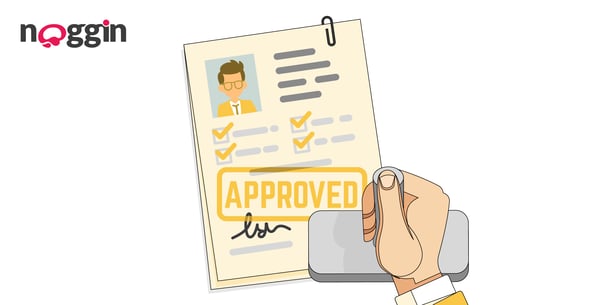
It’s called permit to work, an essential feature of control of work. Permit to work processes represent a set of concrete actions PCBUs should take to control work deemed potentially hazardous. Those would include high-risk operations like the following:
- Work within confined spaces
- Work at height
- Work involving the use of hazardous/dangerous substances
- Work where heat may be used or generated
- Work which may generate sparks or other sources of ignition
- Work which may involve breaking containment of a flammable, toxic, or other dangerous substance and/or pressure system
- Work on high voltage electrical equipment
- Well work
- Diving
- Pressure testing
- Any operation requiring additional precautions or personal protective equipment
So, what’s a permit to work system, actually? Absolutely crucial to maintaining robust safe work standards in all instances of non-routine work, the permit to work system is just a set of documented processes that ensure dangerous work is done safely.
The permit itself just licenses continuous risk control measures – by continuous we mean through the duration of the job – and puts approved contours around hazardous work. In other words, the system defines the exact work to be done, when, where, and for how long it will be done, as well as specific precautions to address hazards and risks.
Sounds like a no brainer. But it can’t be emphasised enough how important this framework is in traditionally high-risk sectors. The permit to work establishes a formal communication chain between the most important parties involved in hazardous work: typically, site/installation management, plant supervisors, operators, and employees who actually carry out the hazardous work. The system serves as a means of guaranteeing that the right people have duly considered foreseeable risk and are taking suitable precautions.
The usual response, here, is that those stakeholders are already communicating about work health and safety matters. What else does permit to work offer?
It turns out from the case evidence that those parties don’t actually communicate sufficiently about hazardous work mitigation efforts. And as such, permit to work represents the best way to ensure focused coordination on hazardous work risk mitigation efforts. For more proof of this, consider the following, essential features of best-practice permits to work:
- Clear listing of the work to be done on the site, as well as the personnel who will be undertaking the work, and the equipment they will be using
- Types of work considered hazardous, as well as associated tasks, risk assessments, and permitted task durations
- Identification of who can authorise permit-to-work jobs as well as clear delimiting of their authority
- Identification of who is responsible for specifying necessary precautions
- Authorisation for the work to commence
- Duration of permit validity, as well as listing of sanctioned methods to extend permit validity
- All-personnel training and instruction in the issue, use, and closure of permits
- Concise listing of actions to be taken in the case of an emergency
- Comprehensive (covering all aspects of permit-to-work procedure) monitoring and auditing measures to ensure that the system works as intended
Now that you understand the benefits. What are the variables involved in developing a permit to work system that works for your organisation’s safety needs? To find out, download our best-practice guide to developing a permit to work system, written specifically for originators, issuing and performing authorities, permit users, and authorisers.

For more news and updates, follow Noggin on Twitter and LinkedIn.
.svg)